Portable Toilet Cabins : Hygienic, Affordable & Durable Solutions
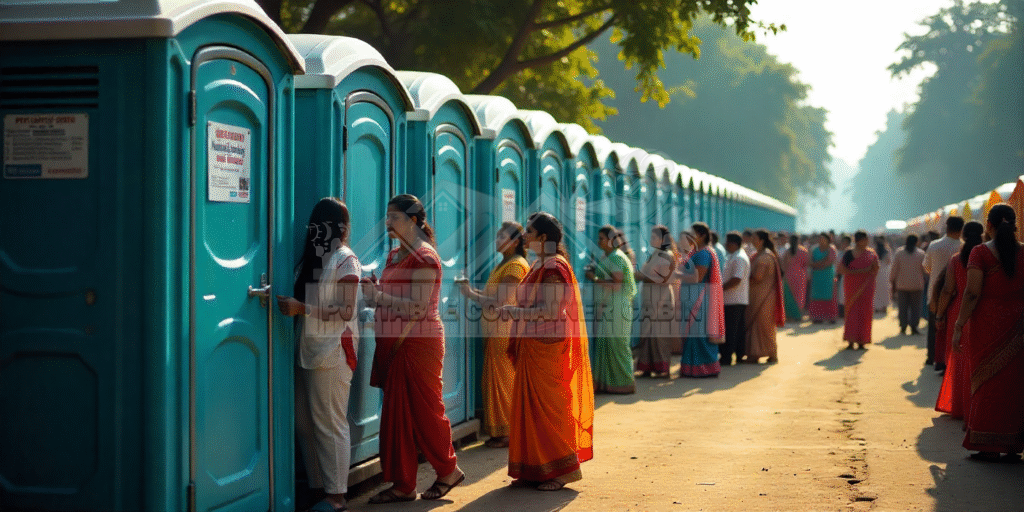
Clean toilets are one of the most basic needs at any workplace, yet they’re often the last thing planned. On construction sites, at events, in labour camps or at temporary offices, poor sanitation quickly leads to hygiene problems, unhappy workers, complaints from neighbours, and in some cases, trouble with authorities.
A portable toilet cabin gives you a clean, private and ready-to-use facility without building a permanent washroom block. This guide explains how these cabins work, how to plan the right setup, and how to keep them hygienic and in good condition over time.
Why Proper Sanitation Matters
Good sanitation is not just about convenience. It has a direct impact on health, productivity and how your site is perceived.
- Health and hygiene: Clean toilets and handwashing reduce the spread of infections and stomach illnesses.
- Dignity and privacy: Workers, staff and visitors deserve a proper, private facility, including separate arrangements for women.
- Productivity: When toilets are nearby and clean, people spend less time walking off-site or waiting.
- Cleaner surroundings: Proper facilities prevent open defecation and keep the site and neighbourhood cleaner.
- Compliance: Workplaces and construction sites are generally expected to provide adequate sanitation under applicable labour and municipal rules.
What Is a Portable Toilet Cabin?
A portable toilet cabin is a prefabricated unit with one or more toilet compartments, built on a steel frame with wall and roof panels. It is made in a factory, delivered to the site and placed on a level base.
Depending on the design, a portable toilet cabin may include:
- Indian or Western-style WC seats
- Urinals
- Washbasins
- Bathing or shower areas
- Water tanks, plumbing and drainage connections
- Lights, exhaust fans and ventilation
For available models, sizes and configurations, see our portable toilet cabin in Mumbai page.
Common Types of Toilet Cabin Setups
Choosing the right setup depends on who will use it and how often.
Single-Seat Units
Compact cabins with one toilet, suitable for security posts, small offices or sites with few workers.
Multi-Seat Units
Cabins with several compartments in a row. These are common on construction sites and in labour camps where many people use the facility.
Toilet and Bath Combinations
Units that combine toilets with bathing areas, useful for site accommodation and labour colonies.
Separate Men’s and Women’s Units
Separate cabins, or one cabin divided with independent entrances, help ensure privacy and safety for women workers and visitors.
How Many Toilets Do You Need?
There’s no single number that fits every site, but these points will help you estimate:
- Count peak users, not just total headcount. Think about shift timings and visitors.
- Plan separately for men and women.
- Consider usage hours. Sites working long shifts or with residential workers need more capacity.
- Check applicable guidelines for your type of workplace, as there may be minimum requirements based on the number of workers.
- Plan extra capacity for events, where many people use the toilets within a short time.
If you’re unsure, share your workforce size and working hours with your supplier so they can suggest a suitable configuration.
Planning Water Supply and Drainage
This is the most important technical part of setting up a toilet cabin, and it’s worth planning early.
Water supply: Decide whether the cabin will connect to a municipal line or borewell, or use an overhead water tank that’s refilled regularly.
Drainage and waste: Waste can be connected to a sewer line, a septic tank, or a soak pit, depending on what’s available and permitted at your location. Some temporary setups use holding tanks that are emptied periodically.
Slope and placement: Place the cabin where drainage flows easily and water won’t collect around the base.
Getting this right from the start avoids leaks, bad smells and repeated repair costs later.
Keeping a Toilet Cabin Hygienic
Even a well-built cabin will become unpleasant without regular care. A simple routine makes a big difference.
Daily Cleaning
Clean seats, floors, washbasins and door handles at least once or twice a day, more often on busy sites.
Handwashing Facilities
Provide soap and a working washbasin near the toilets. Handwashing is one of the most effective ways to stop the spread of illness.
Ventilation
Exhaust fans and vents help remove odours and moisture. This is especially important in Mumbai’s humid climate.
Water Availability
Make sure water tanks are refilled before they run out. A toilet without water quickly becomes unusable.
Waste Management
Provide covered dustbins and empty them regularly. If you use holding tanks, schedule emptying before they fill up.
Regular Inspection
Check for leaks, blocked drains, broken fittings and damaged doors so small issues are fixed early.
What Makes a Toilet Cabin Durable?
Toilet cabins face constant water exposure, cleaning chemicals and heavy daily use, so durability depends on good design and materials.
- Water-resistant flooring that doesn’t rot, crack or become slippery
- Rust-resistant frame and coatings, important in coastal and humid conditions
- Quality plumbing fittings that don’t leak or break easily
- Sealed joints between panels to prevent water seepage
- Strong doors and latches that hold up to frequent use
- Raised base to protect the cabin during monsoon rains
With regular maintenance, a well-built cabin can serve many projects over the years.
How Portable Toilet Cabins Help Control Costs
Compared with building a permanent toilet block, portable cabins can help keep expenses manageable. The final cost depends on the number of seats, fittings and finishes, but savings usually come from:
- Minimal civil work at the site
- Faster setup, so facilities are ready from the start of a project
- The ability to relocate and reuse the cabin on future sites
- Easy addition of extra units when the workforce grows
Where Portable Toilet Cabins Are Commonly Used
- Construction and infrastructure sites
- Labour camps and site accommodation
- Factories and warehouses
- Events, weddings, fairs and exhibitions
- Parking areas, petrol pumps and highways
- Security posts and gatehouses
- Public places, parks and beaches
- Schools and temporary institutions
- Disaster relief and emergency camps
Questions to Ask a Toilet Cabin Supplier
When speaking to a Toilet cabin supplier in Mumbai, these questions will help you compare options:
- What materials are used for the frame, panels and flooring?
- What plumbing fittings are included, and are they branded?
- Can the layout be customized, such as separate men’s and women’s sections?
- Is the water tank included, and what capacity is it?
- Do you help with installation and plumbing connections?
- Can the cabin be relocated later?
- What after-sales support or warranty do you provide?
It also helps to see a completed cabin or photos of previous installations before you decide. You can learn more about our work as a portable cabin manufacturer in Mumbai on our homepage.
Conclusion
Good sanitation is essential for health, safety and dignity at any site or workplace. A portable toilet cabin offers a hygienic, affordable and durable way to provide proper facilities quickly, without the time and cost of permanent construction. With the right setup, good water and drainage planning, and a simple cleaning routine, it can serve your needs reliably for years.
Visit the Portable Toilet Cabin in Mumbai product page to explore the product and request more information.
Frequently Asked Questions
1. Can a toilet cabin work without a sewer connection?
Yes. Toilet cabins can be connected to a septic tank, soak pit or holding tank where a sewer line isn’t available. The right option depends on your site and local rules.
2. How do I reduce bad smells in a toilet cabin?
Regular cleaning, proper ventilation with exhaust fans, enough water for flushing and timely emptying of waste tanks are the most effective ways to control odour.
3. Are toilet cabins suitable for women workers?
Yes. Separate cabins or separate entrances, proper locks, lighting and a dustbin for sanitary waste make the facility safer and more comfortable for women.
4. How often should a portable toilet be cleaned?
At least once a day, and more often on sites with many users or during events. A clear cleaning schedule helps maintain hygiene consistently.
5. Can a toilet cabin be moved once it’s installed?
Yes. Plumbing and drainage connections are disconnected, and the cabin is lifted and transported to the new site, where it’s reconnected.